Walls That Look Smooth Without Texture Shadows
Skim Coating & Textured Wall Repairs in Minneapolis for uneven drywall and outdated popcorn finishes
When wallpaper is stripped away, the surface underneath often reveals years of patchwork, dents, and texture inconsistencies that prevent new coverings from adhering cleanly. S&L Pro Wall Covering LLC addresses these issues with skim coating and textured wall repairs in Minneapolis, preparing surfaces so patterns align correctly and seams remain invisible. The work involves more than simply covering damaged spots—it requires leveling the entire plane so light doesn't catch ridges or depressions that telegraph through finished wallpaper.
Skim coating applies thin layers of joint compound across walls to create a uniform surface, filling imperfections left by previous installations, nail pops, or settling cracks. This process eliminates the shadows and bumps that cause wallpaper to bubble or patterns to misalign, particularly important when working with high-end materials where every seam must meet precisely. Minneapolis homes often carry decades of accumulated repairs beneath painted surfaces, and those irregularities become immediately visible once adhesive backing is applied.
Schedule a wall evaluation to determine the extent of surface preparation required before wallpaper installation.
How Proper Surface Preparation Prevents Adhesion Failures
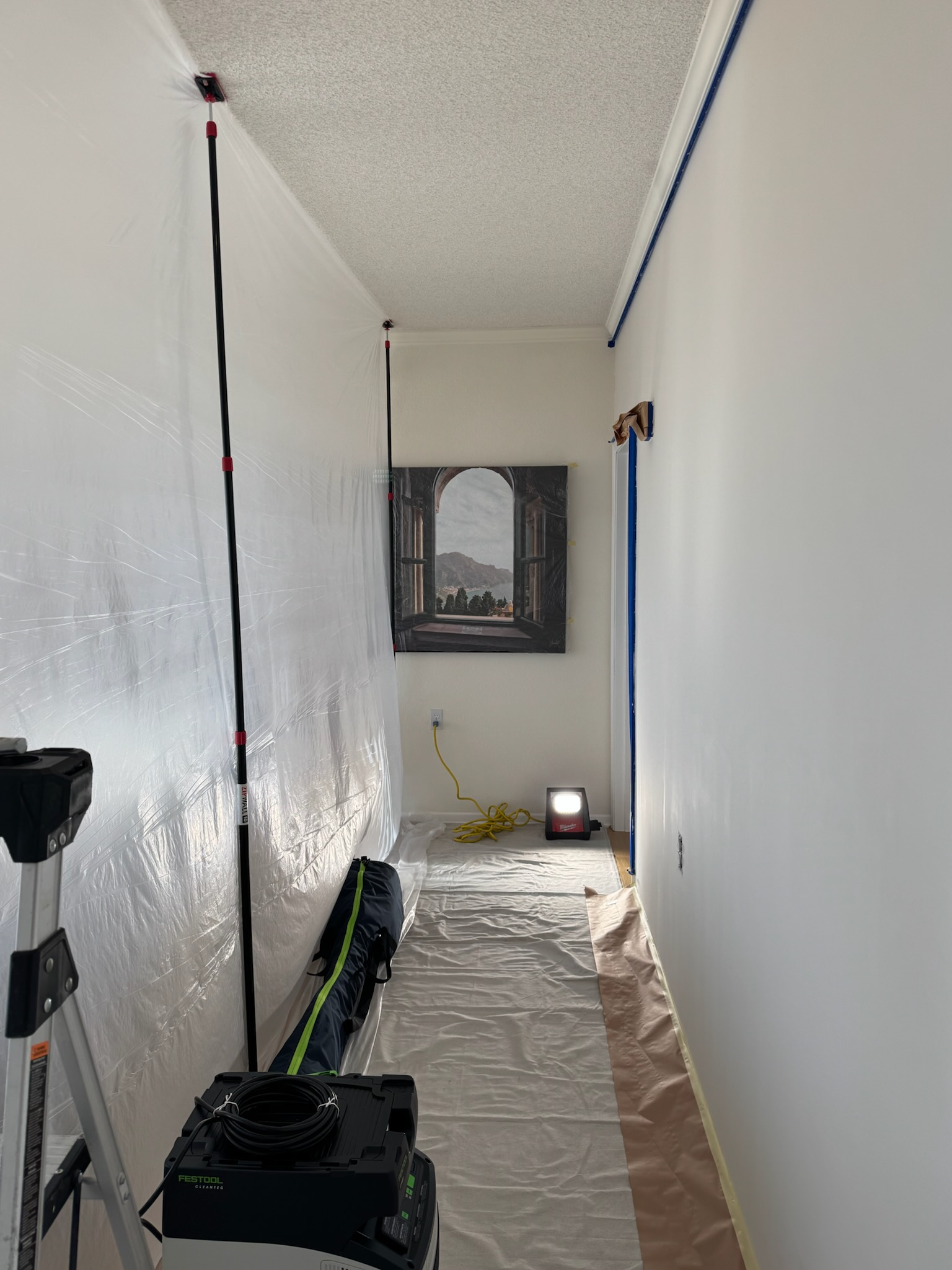
Wall preparation begins with a close inspection of the existing surface to identify dents, patchwork seams, and texture variations that will show through finished wallcoverings. Heavy orange peel textures or outdated popcorn finishes get scraped down, and the remaining surface receives multiple thin coats of compound applied with wide trowels, each layer smoothed and feathered before the next. Sanding between coats removes trowel marks and high spots, gradually building a flat plane that eliminates the ridges where old drywall tape was embedded or where previous repairs were left unfinished.
Once the compound cures and sanding is complete, you'll notice that light no longer creates shadows across the wall, and running your hand along the surface reveals no bumps or depressions. This level foundation allows wallpaper paste to bond evenly without air pockets forming around raised areas, and patterns printed on vinyl or fabric sit flush without distortion. Rooms with northern exposure in Minneapolis show surface imperfections more clearly due to the angle of natural light, making this preparation essential for achieving professional results.
The process also addresses walls damaged during wallpaper removal, where adhesive residue pulled away bits of drywall paper or left gouges in the substrate. These areas require primer application after skim coating to seal the compound and prevent moisture from the new paste from raising additional texture, a step that's particularly important when transitioning from painted surfaces to wallcoverings for the first time.
What Homeowners Ask Before Wall Preparation
Wall preparation requirements vary depending on the existing condition and the type of wallcovering being installed, so understanding what's involved helps you plan the project timeline and budget accurately.
What does skim coating actually fix on damaged walls?
Skim coating fills dents, smooths patchwork seams, levels uneven drywall, and eliminates texture patterns that would otherwise show through wallpaper, creating a flat surface where adhesive bonds uniformly.
How does textured wall repair differ from standard drywall patching?
Textured wall repair removes existing finishes like orange peel or knockdown texture across the entire surface rather than just filling isolated holes, ensuring wallpaper has a completely smooth base without inconsistent areas that catch light differently.
Why do walls need preparation after wallpaper removal in Minneapolis homes?
Older Minneapolis homes often have multiple layers of wallpaper applied over decades, and removal frequently tears the drywall paper facing or leaves adhesive residue that creates bumps and prevents new coverings from adhering properly without surface leveling.
When should skim coating be done instead of just priming?
Skim coating is necessary when you can see or feel surface irregularities, when previous repairs created ridges, or when heavy texture exists—primer alone cannot fill depressions or level raised areas that will telegraph through finished wallpaper.
What happens if walls aren't properly leveled before wallpaper installation?
Uneven walls cause air pockets under wallpaper that eventually lead to peeling, patterns fail to align at seams because the substrate isn't flat, and texture shadows become visible through thinner materials once natural light hits the surface at an angle.
S&L Pro Wall Covering LLC repairs wall surfaces throughout Minneapolis to ensure wallcoverings adhere correctly and maintain their appearance long-term. Request an estimate to review your walls and determine the preparation required for your specific project.